Introduction:
Do you know what happens when your gums get sick? It’s called periodontal disease, and it can make your gums swollen and hurt. If left untreated, it can even make your teeth fall out! But don’t worry, there’s a special kind of treatment called surgical periodontal treatment that can help fix advanced gum disease. It’s like a superhero for your gums, swooping in to save the day when things get really bad. Are you ready learn, what is surgical periodontal treatment and why it’s so important for keeping your gums healthy.
Table of Contents
ToggleUnderstanding Gum Disease
What is Gum Disease?
Gum disease is a sneaky invasion in our mouth-city by bacteria, leading to swelling, bleeding, and eventually, tooth loss if we don’t kick them out in time.
Causes of Gum Disease
Just like trash piles up on the streets if not cleaned regularly, plaque buildup on our teeth creates a breeding ground for harmful bacteria. Poor oral hygiene, unhealthy habits like smoking, and certain medical conditions can all contribute to gum disease.
Progression of Gum Disease
Stage 1: Gingivitis
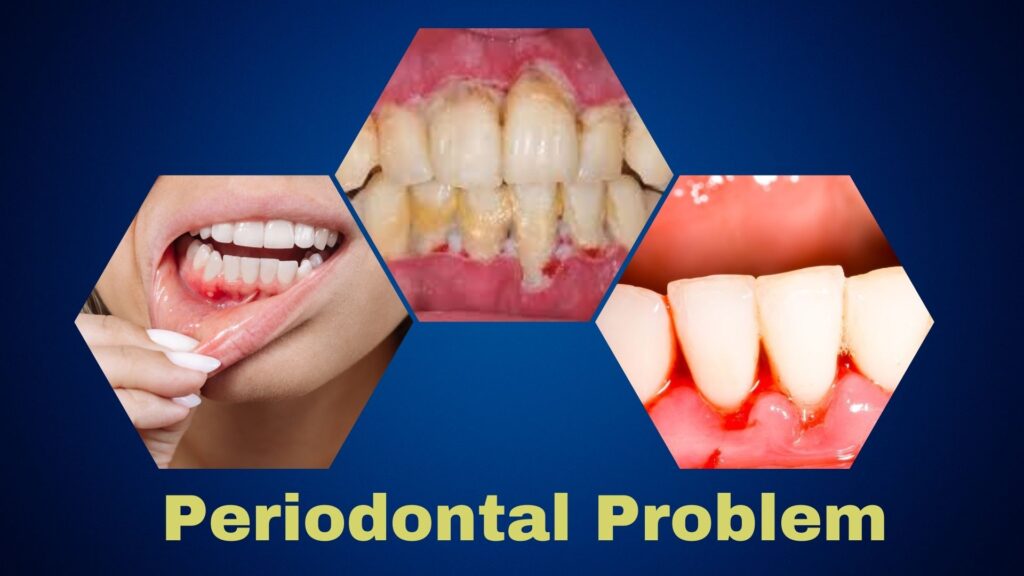
- At this stage, the bacteria in plaque irritate our gums, making them red, swollen, and prone to bleeding.
- It’s like the early warning signs of trouble brewing in our mouth-city.
Stage 2: Periodontitis
- If left untreated, gingivitis can escalate into periodontitis.
- The plaque hardens into tartar, creating a tough shield that protects the bacteria.
- Bacteria invade deeper, causing our gums to pull away from our teeth and form pockets, like forts in our gum’s defenses.
- These pockets become cozy homes for even more bacteria, spreading infection and damaging the structures supporting our teeth.
- It’s like our city’s foundations are crumbling, and soon, our teeth might have nowhere left to stand.
Understanding Gum Disease
What is Gum Disease?
Gum disease is like an unwanted party in your mouth. It starts when tiny bacteria decide to hang out on your teeth, forming a sticky film called plaque. Just like litter piling up on the streets, if you don’t clean it away, trouble starts brewing.
Causes of Gum Disease
Picture this: You forget to take out the trash for weeks. Soon, your whole neighborhood starts smelling bad! Similarly, gum disease happens when plaque builds up because of poor brushing and flossing habits. Smoking and certain health conditions can also invite trouble.
How it Progresses
Think of gum disease as a small campfire that can turn into a raging inferno if not put out. At first, your gums get irritated and may bleed easily. This is like the first signs of smoke. If you ignore it, the fire spreads. Plaque hardens into tartar, creating a shield for bacteria to hide behind. They start attacking the foundations of your mouth, causing your gums to pull away from your teeth, forming pockets. It’s like invaders building forts in your gum’s defenses. If this keeps going, your teeth could lose their support and fall out, just like buildings collapsing in a weakened city.
Signs and Symptoms
Recognizing Gum Disease
Gum disease can be sneaky, but it often gives us clues when something’s wrong. Look out for these signs:
Bleeding Gums: Like a red flag waving, gums that bleed when you brush or floss could be a sign of trouble.
Bad Breath: Ever notice a not-so-fresh smell coming from your mouth, even after brushing? That could be a sign of bacteria partying in your gums.
Gum Recession: If your gums seem to be pulling away from your teeth, it’s like they’re saying, “We need some space!” This can expose the roots of your teeth and lead to sensitivity.
Seeking Treatment:
Don’t ignore these signs! Seeking treatment early can help prevent gum disease from getting worse. Your dentist can help you get back on track to a healthy smile.
Non-Surgical Treatment Options
Cleaning Up the Party:
Luckily, there are ways to kick out those unwanted guests without surgery:
Professional Cleanings: Think of it as a deep clean for your mouth, getting rid of plaque and tartar buildup.
Scaling and Root Planning: This is like giving your teeth a fresh start by removing bacteria and smoothing out rough spots on the roots.
Maintenance Therapy: After cleaning, regular check-ups and cleanings help keep your gums healthy and prevent gum disease from coming back.
What is Surgical Periodontal Treatment?
When Surgery is Necessary
Sometimes, gum disease throws a big party that just won’t end. When non-surgical treatments aren’t enough, surgery may be needed to save the day.
Common Surgical Procedures
Fixing What's Broken
Surgical periodontal treatments come in different flavors, each with its own superpowers:
Gingival Flap Surgery: Imagine lifting up a carpet to clean underneath. That’s what this surgery does, getting rid of bacteria hiding in pockets and smoothing out rough spots.
Bone Grafts: When gum disease weakens the bones supporting your teeth, this surgery adds reinforcements to keep them strong.
Gum Grafts: Think of it as patching up holes in a wall. Gum grafts cover exposed roots, protecting them from further damage.
Benefits and Risks
Turning the Tide
Surgical periodontal treatment can be like a superhero, saving your smile from disaster:
Improved Oral Health: Say goodbye to bleeding gums and bad breath!
Reduced Risk of Tooth Loss: Keeping your gums healthy means keeping your teeth too.
Enhanced Appearance: A healthy smile can boost your confidence and brighten your day.
But like any superhero, there are risks involved. Your dentist will guide you through them and help you make the best decision for your oral health.
Recovery and Aftercare
Healing Time
After surgery, it’s important to give your gums some TLC:
Follow Instructions: Your dentist will give you specific instructions to help your gums heal properly. Follow them carefully!
Be Gentle: Avoid hard or crunchy foods and stick to soft, easy-to-chew options while your gums recover.
Conclusion
Protect Your Smile
Gum disease may seem like a small problem, but it can have big consequences. By recognizing the signs, seeking treatment early, and considering surgical options when necessary, you can keep your smile healthy and bright for years to come.
Remember, your dentist is your partner in oral health. Don’t hesitate to reach out if you have any concerns about your gums or teeth.