Do you or someone you know suffer from relentless pain or uncontrollable movements? You’re not alone. Sometimes, regular treatments just aren’t enough to help. But there’s hope! In today’s blog, we’re diving into the world of “a surgical treatment for intractable pain involuntary movements,” where doctors use special operations to tackle these tough issues.
Table of Contents
ToggleWhat's Intractable Pain and Involuntary Movements?
Let’s break it down. Intractable pain means really bad pain that won’t go away, no matter what you try. It’s like your body’s alarm system gone haywire. And involuntary movements? Well, that’s when your body moves on its own, without you telling it to. Think of it like your muscles having a mind of their own!
Reasons Behind the Struggle
There are many reasons why people face intractable pain and involuntary movements. It could be from an injury, a disease, or even just the way your body works. Sometimes, it’s like your nerves are misfiring, sending pain signals when they shouldn’t, or making your muscles twitch for no reason.
Key Factors and Who's at Risk
Certain things can make you more likely to have these problems. If you have a chronic illness, like diabetes or arthritis, or if you’ve had a bad injury before, you might be at higher risk. Even things like stress or getting older can play a part.
Surgical Treatment
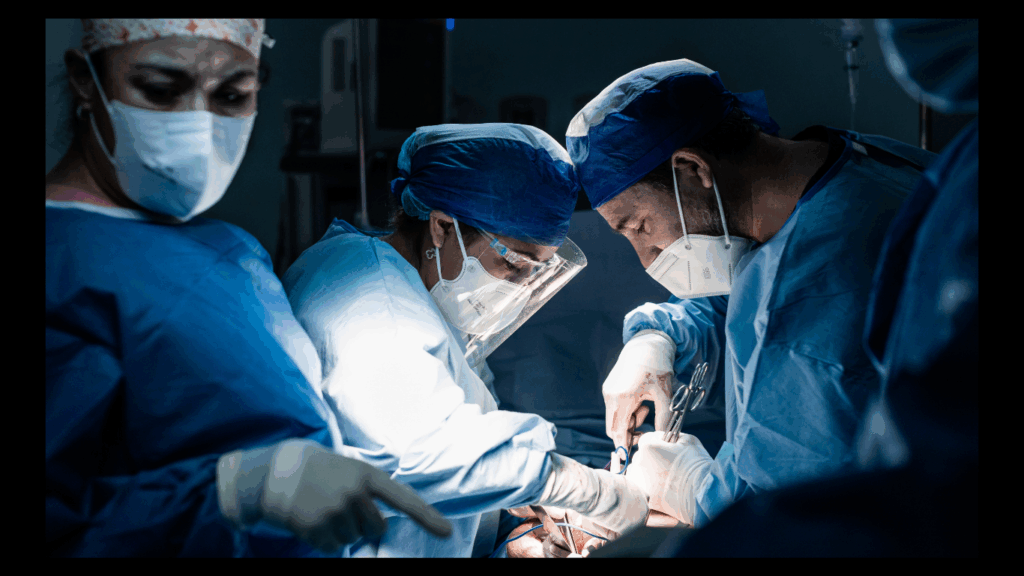
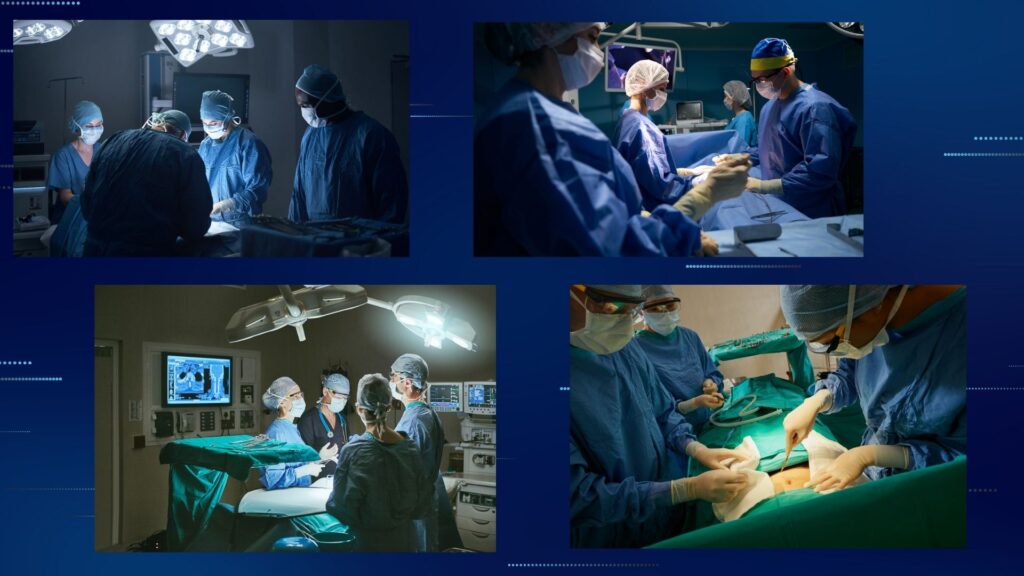
Now, let’s talk about how doctors can help. They have special surgeries to target the source of your pain or movement issues. It’s like fixing a broken wire in a machine! These surgeries can involve placing tiny devices in your body to send signals to your brain or cutting specific nerves to stop the pain signals.
Examples and Diseases Linked to Intractable Pain:
Some conditions that might need these surgeries include nerve pain from diabetes, intense facial pain called trigeminal neuralgia, or tremors from diseases like Parkinson’s. These surgeries aren’t the only option, but they can offer relief when other treatments don’t work.
Avoiding the Pain
Of course, it’s always better to prevent problems before they start! Taking care of yourself with regular exercise, managing stress, and staying healthy can help lower your chances of dealing with stubborn pain or unwanted movements.
A Surgical Treatment for Intractable Pain Involuntary Movements
In conclusion, dealing with intractable pain and involuntary movements can be tough, but there are solutions out there. Surgical treatments offer hope for those who haven’t found relief with other methods. By understanding the reasons behind these struggles and taking steps to prevent them, we can work towards a life with less pain and more freedom of movement.
Key Takeaways
- Intractable pain and involuntary movements can significantly impact quality of life and may require specialized treatment.
- Surgical interventions offer hope for individuals facing persistent pain or movement disorders that haven’t responded to other therapies.
- Conditions such as diabetic neuropathy, trigeminal neuralgia, and Parkinson’s disease may benefit from surgical treatment.
- Prevention through healthy lifestyle habits, stress management, and early intervention can help reduce the risk of chronic pain conditions.
- Consultation with healthcare professionals is essential to determine the most appropriate treatment approach for individual needs.
FAQs:
Intractable pain refers to severe and persistent pain that doesn’t respond well to conventional treatments. It’s more intense and long-lasting compared to ordinary pain.
Surgical interventions target the underlying causes of pain or movement disorders, aiming to alleviate symptoms by addressing nerve compression, abnormal brain activity, or other sources of dysfunction.
Like any surgery, there are potential risks such as infection, bleeding, or adverse reactions to anesthesia. However, these risks are carefully weighed against the potential benefits of the procedure.
Suitable candidates are typically those who have not responded to other treatments and have a specific condition that can be addressed surgically, such as neuropathic pain, facial neuralgia, or movement disorders.
Yes, adopting a healthy lifestyle that includes regular exercise, stress management, and maintaining a healthy weight can help reduce the risk of developing chronic pain conditions or movement disorders.