Introduction:
Are you wondering, “Do hemorrhoids go away?” It’s a common question among individuals experiencing the discomfort and inconvenience of hemorrhoids. Hemorrhoids, also known as piles, are swollen veins in the rectal area that can cause pain, itching, and bleeding. In this blog post, we’ll explore whether hemorrhoids can resolve on their own and discuss natural relief and treatment options to help manage this condition.
Table of Contents
ToggleDo Hemorrhoids Go Away on Their Own?
The question of whether hemorrhoids go away by themselves is one that many individuals with this condition ponder. Hemorrhoids can vary in severity, and mild cases may resolve on their own with proper self-care and lifestyle adjustments. However, more severe or persistent hemorrhoids may require intervention to alleviate symptoms and promote healing.
When we can it Hemorrhoids:
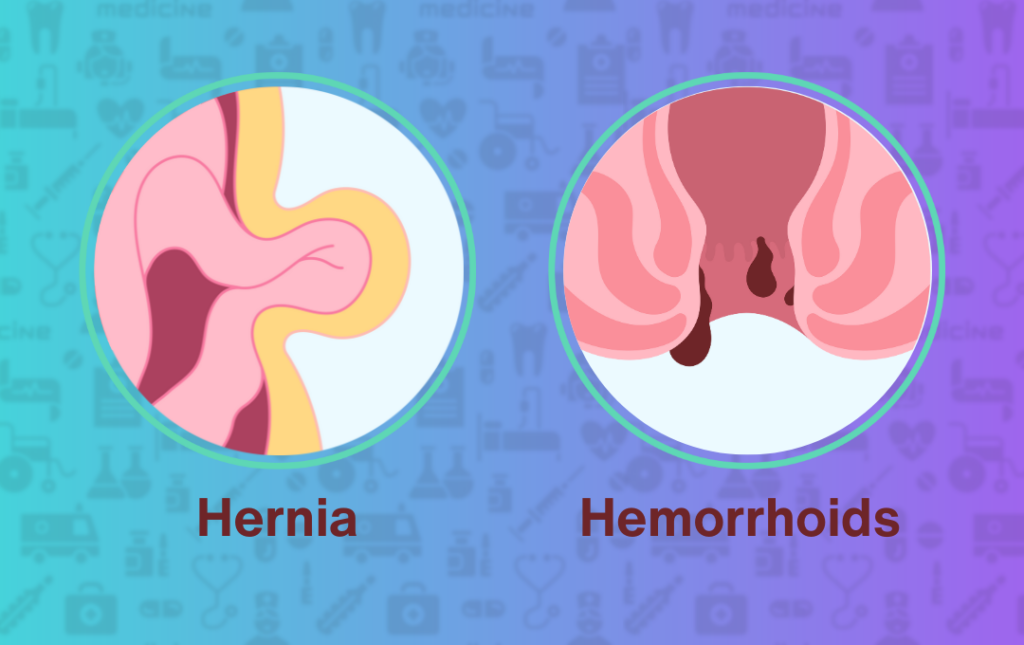
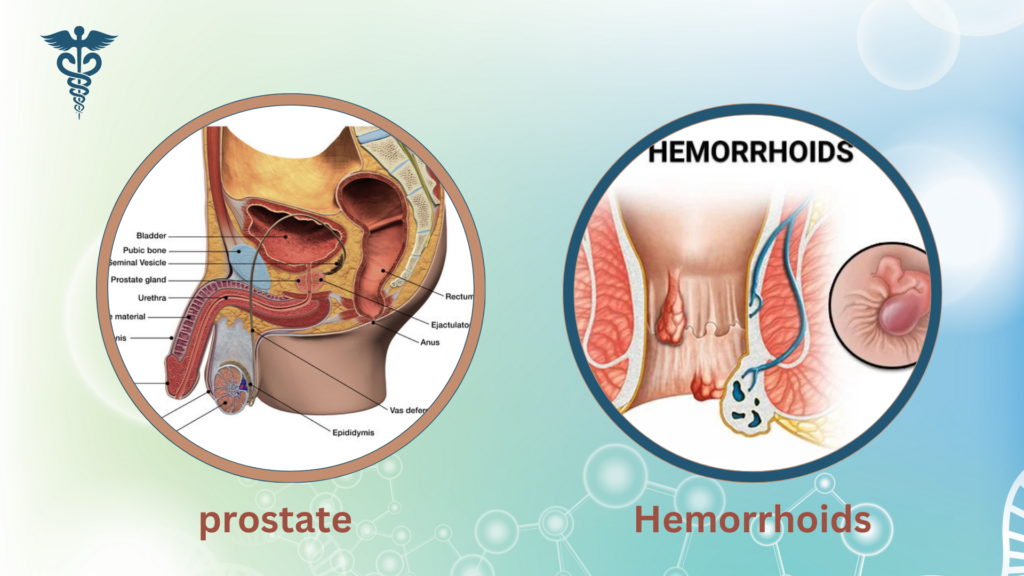
Hemorrhoids are swollen veins in the rectal or anal area that can be internal or external. Internal hemorrhoids develop inside the rectum and may not cause noticeable symptoms unless they prolapse or protrude through the anus. External hemorrhoids occur under the skin around the anus and can cause discomfort, pain, and itching.
Natural Relief for Hemorrhoids:
Several natural remedies can provide relief from hemorrhoid symptoms and help promote healing. These include:
– Warm sitz baths: Soaking in a tub of warm water for 10 to 15 minutes several times a day can help reduce swelling and relieve discomfort.
– Increased fiber intake: Consuming high-fiber foods such as fruits, vegetables, whole grains, and legumes can help soften stools and make bowel movements easier, reducing strain on hemorrhoids.
– Hydration: Drinking plenty of water can help prevent constipation and promote regular bowel movements, which is essential for managing hemorrhoids.
Lifestyle Changes for Hemorrhoid Management:
Making certain lifestyle changes can help prevent and manage hemorrhoids. These include:
– Avoiding prolonged sitting or standing: Sitting or standing for extended periods can increase pressure on the rectal veins, exacerbating hemorrhoid symptoms. Try to take breaks and move around regularly.
– Avoiding straining during bowel movements: Straining during bowel movements can worsen hemorrhoids. Ensure you have enough fiber in your diet and take your time when using the restroom.
– Exercising regularly: Engaging in regular physical activity can help improve digestion and promote bowel regularity, reducing the risk of hemorrhoids.
Over-the-Counter Treatments:
In addition to natural remedies, several over-the-counter treatments are available to help alleviate hemorrhoid symptoms. These include topical creams, ointments, and suppositories containing ingredients such as hydrocortisone, witch hazel, or lidocaine, which can help reduce pain, itching, and swelling.
When to Seek Medical Attention:
While mild hemorrhoids may resolve with self-care measures, more severe or persistent hemorrhoids may require medical intervention. It’s essential to consult a healthcare professional if you experience severe pain, bleeding, or protruding hemorrhoids that do not improve with home treatments.
Hemorrhoid Prevention Tips:
Preventing hemorrhoids involves adopting healthy habits and lifestyle changes, such as:
– Eating a high-fiber diet
– Staying hydrated
– Exercising regularly
– Avoiding straining during bowel movements
– Taking breaks from sitting or standing for extended periods
FAQs About Hemorrhoids:
Mild hemorrhoids may resolve on their own with proper self-care and lifestyle adjustments. However, more severe or persistent hemorrhoids may require medical intervention.
The duration of hemorrhoid symptoms can vary depending on the severity of the condition and the chosen treatment method. With proper care and treatment, most hemorrhoids improve within a few days to a week.
While hemorrhoids can be effectively managed and symptoms can be alleviated, they may not be cured permanently. However, adopting healthy habits and lifestyle changes can help prevent recurrence and minimize symptoms.
In conclusion, the question of whether hemorrhoids go away on their own depends on the severity of the condition and individual factors. While mild cases may resolve with self-care measures and natural remedies, more severe or persistent hemorrhoids may require medical intervention. By making lifestyle changes, adopting healthy habits, and seeking appropriate treatment when needed, you can effectively manage hemorrhoids and minimize discomfort.