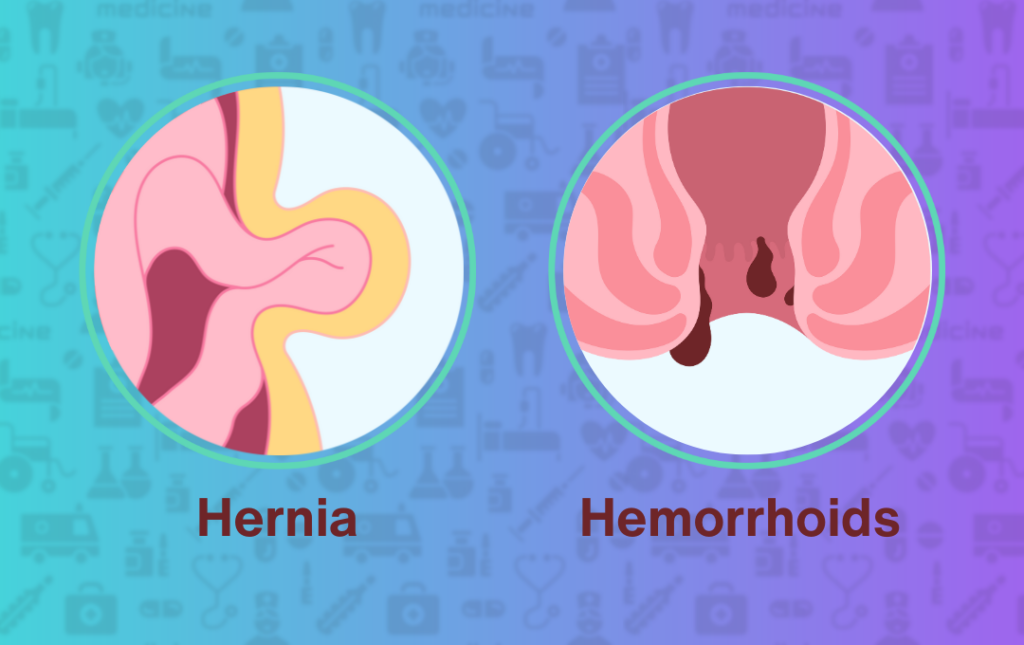
A disorder in the rectal area or Can Hemorrhoids Put Pressure on the Prostate? Or is it even possible to do so? Hemorrhoids and prostate problems are two conditions that can cause discomfort and pain in the rectal area. Hemorrhoids are swollen veins in the rectal area that can cause pain, discomfort, and bleeding. On the other hand, prostate problems can include an enlarged prostate, prostatitis, or prostate cancer.
Table of Contents
ToggleMany people wonder if hemorrhoids can put pressure on the prostate. While there is no direct connection between hemorrhoids and the prostate, they can both cause similar symptoms. For example, both conditions can cause pain, discomfort, and difficulty passing urine or bowel movements. In some cases, an enlarged prostate can cause constipation, which can lead to hemorrhoids.
Understanding Hemorrhoids and Prostate Health Hemorrhoids are a common condition affecting millions worldwide. They can be caused by a variety of factors, including pregnancy, obesity, and straining during bowel movements. Prostate problems are also common, especially in older men. An enlarged prostate can cause difficulty passing urine, while prostatitis can cause pain and discomfort in the pelvic area.
The Connection Between Hemorrhoids and the Prostate While there is no direct connection between hemorrhoids and the prostate, they can both cause similar symptoms. For example, both conditions can cause pain, discomfort, and difficulty passing urine or bowel movements. In some cases, an enlarged prostate can cause constipation, which can lead to hemorrhoids.some cases, an enlarged prostate can cause constipation, which can lead to hemorrhoids.
Key Takeaways
- Hemorrhoids and prostate problems are two separate conditions that can cause similar symptoms.
- While there is no direct connection between hemorrhoids and the prostate, they can both cause pain, discomfort, and difficulty passing urine or bowel movements.
- Treatment for hemorrhoids and prostate problems varies depending on the severity of the condition and the underlying cause.
Can Hemorrhoids Put Pressure on Prostate? Understanding Hemorrhoids and Prostate Health
Anatomy of the Prostate and Rectal Area
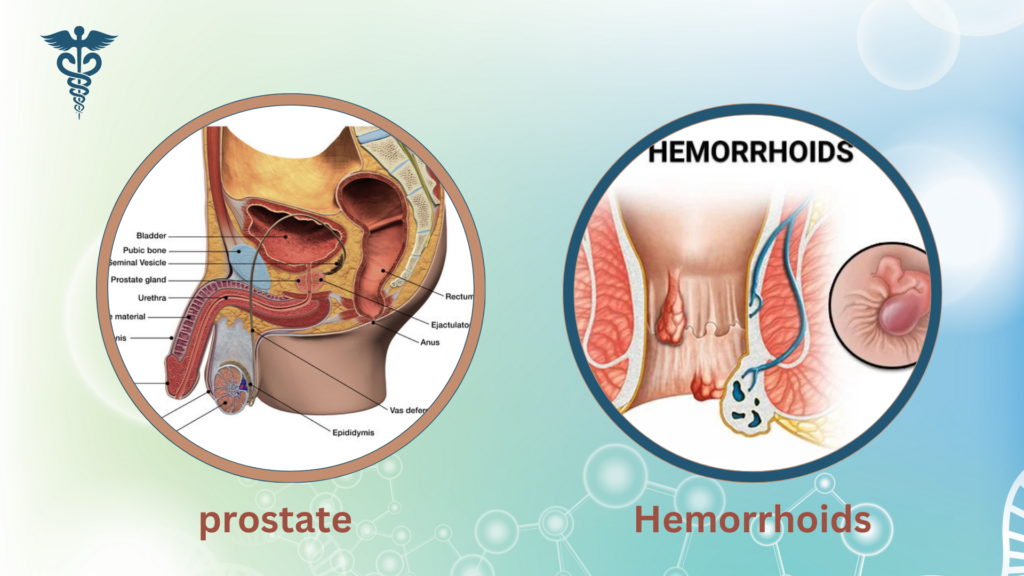
The prostate gland is a walnut-sized gland located below the bladder and in front of the rectum in men. It surrounds the urethra, which is the tube that carries urine and semen out of the body. The rectal area is located just behind the prostate gland and is where hemorrhoids can develop.
Common Symptoms of Hemorrhoids
Hemorrhoids are swollen veins in the rectum and anus that can cause discomfort, pain, and bleeding. They are usually caused by increased pressure in the rectal area due to factors such as straining during bowel movements, pregnancy, or obesity. Common symptoms of hemorrhoids include itching, pain, and bleeding during bowel movements.
Overview of Prostate Disorders
Enlargement of the prostate gland, also known as benign prostatic hyperplasia (BPH), is a common condition that affects many men as they age. It is caused by the prostate gland growing larger and pressing against the urethra, which can cause difficulty urinating. Prostatitis is another condition that can affect the prostate gland and is caused by inflammation of the gland. Symptoms of prostatitis can include pain in the pelvic area, difficulty urinating, and pain during ejaculation.
While hemorrhoids and prostate disorders are two separate conditions, they can sometimes be related. Hemorrhoids can cause discomfort and pain in the rectal area, which can lead to straining during bowel movements. This straining can put pressure on the prostate gland and potentially cause inflammation or exacerbate existing prostate conditions such as BPH or prostatitis.
In conclusion, while hemorrhoids and prostate disorders are distinct conditions, they can sometimes be related due to their proximity in the body. It is important to seek medical attention if you are experiencing symptoms of either condition to ensure proper diagnosis and treatment.
The Connection Between Hemorrhoids and the Prostate
While questioning “Can Hemorrhoids put Pressure on Prostate” we should know that Hemorrhoids and the prostate are two distinct parts of the body, but they do share some similarities. Both are located near the rectum and can cause discomfort when they become inflamed or enlarged. In this section, we will explore the connection between hemorrhoids and the prostate and answer some common questions related to this topic.
Can Hemorrhoids Put Pressure on Prostate or Affect the Prostate?
Hemorrhoids are swollen veins in the rectum and anus, while the prostate is a gland located just below the bladder in men. Although these two structures are close to each other, there is no direct connection between them. Therefore, hemorrhoids do not directly affect the prostate.
Can Hemorrhoids Cause Prostate Pain?
While hemorrhoids do not cause prostate pain, they can cause discomfort and pain in the rectal area. This can be especially true if the hemorrhoids are internal and located near the prostate. However, the pain is usually localized to the rectum and anus and does not radiate to other parts of the body.
Can Internal Hemorrhoids Put Pressure on the Prostate?
Internal hemorrhoids are located inside the rectum and can sometimes protrude through the anus. While they do not directly put pressure on the prostate, they can cause discomfort and pain in the rectal area. This can be due to the close proximity of the hemorrhoids to the prostate. However, this discomfort is usually temporary and does not cause long-term damage to the prostate.
In conclusion, while there is no direct connection between hemorrhoids and the prostate, they can cause discomfort and pain in the rectal area. If you are experiencing symptoms related to hemorrhoids or the prostate, it is important to seek medical attention to determine the underlying cause and receive appropriate treatment.
Diagnosis and Treatment
Diagnosing Prostate and Hemorrhoid Issues
When it comes to diagnosing prostate and hemorrhoid issues, a doctor will typically perform a physical exam and ask about symptoms. In some cases, a digital rectal exam (DRE) may be used to check for abnormalities in the prostate. During a DRE, the doctor will insert a lubricated, gloved finger into the rectum to feel for any lumps or bumps.
If hemorrhoids are suspected, the doctor may also perform a visual examination of the anus and rectum. In some cases, a colonoscopy may be necessary to check for any underlying conditions that could be causing the hemorrhoids.
Treatment Options for Hemorrhoids
There are several treatment options available for hemorrhoids, depending on the severity of the condition. Mild cases may be treated with over-the-counter creams or ointments, while more severe cases may require prescription medications or surgery.
Some common treatments for hemorrhoids include:
- Topical creams and ointments: These can help reduce pain and swelling associated with hemorrhoids.
- Sitz baths: Soaking in warm water can help reduce inflammation and provide relief.
- Rubber band ligation: This procedure involves placing a small rubber band around the base of the hemorrhoid to cut off its blood supply, causing it to shrink and fall off.
- Hemorrhoidectomy: This surgery involves removing the hemorrhoid tissue.
Prostate Health Management
While hemorrhoids can be uncomfortable and painful, they do not typically cause prostatitis. However, there are several things that can be done to promote prostate health and reduce the risk of developing prostatitis.
Some tips for maintaining good prostate health include:
- Maintaining a healthy diet and exercise routine
- Staying hydrated
- Avoiding alcohol and tobacco
- Practicing safe sex
- Getting regular prostate exams
It is important to note that while these tips can help promote prostate health, they are not a guarantee against prostatitis or other prostate-related conditions. If you are experiencing symptoms of prostatitis or have concerns about your prostate health, it is important to speak with a healthcare provider.
Frequently Asked Questions
There is no direct evidence that hemorrhoid cream can influence the condition of an enlarged prostate. However, some ingredients in hemorrhoid cream, such as phenylephrine, can cause constriction of blood vessels and increase blood pressure. This can lead to urinary retention, which may exacerbate symptoms of an enlarged prostate. It is important to consult a healthcare provider before using any medication or cream to treat hemorrhoids or an enlarged prostate.
Hemorrhoid pain is typically localized to the anus and rectum, whereas prostate pain is felt in the lower abdomen, groin, and lower back. Hemorrhoid pain is often described as a burning or itching sensation, while prostate pain is characterized by a dull ache or pressure. Additionally, hemorrhoid pain is usually worsened by bowel movements or sitting for prolonged periods, while prostate pain may be relieved by urination.
There is no direct link between hemorrhoids and prostate cancer. Hemorrhoids are swollen veins in the anus and rectum, while prostate cancer is a malignant growth in the prostate gland. However, some symptoms of hemorrhoids, such as rectal bleeding, can also be indicative of prostate cancer. It is important to consult a healthcare provider if you experience any unusual symptoms.
Symptoms of an enlarged prostate, such as difficulty urinating, frequent urination, and urinary retention, can be similar to those of hemorrhoids. Both conditions can cause discomfort and pain in the rectal area. However, hemorrhoids do not typically cause urinary symptoms, and an enlarged prostate does not cause rectal bleeding. It is important to consult a healthcare provider to determine the underlying cause of your symptoms.
Hemorrhoids do not typically impact urinary functions. However, if hemorrhoids are severe, they can cause discomfort during bowel movements, which may lead to urinary retention. Additionally, some medications used to treat hemorrhoids, such as phenylephrine, can cause urinary retention and exacerbate symptoms of an enlarged prostate. It is important to consult a healthcare provider before using any medication to treat hemorrhoids.