Introduction:
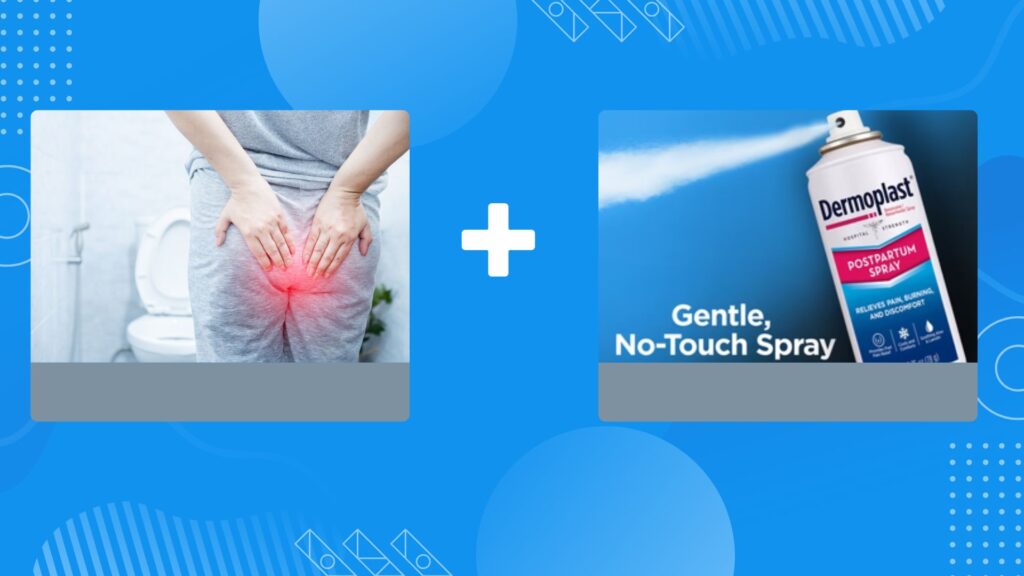
The discomfort of hemorrhoids can be challenging to manage, leading many to seek relief from various treatments. One common query is whether Dermoplast, a topical pain reliever spray, is suitable for alleviating hemorrhoid symptoms. In this blog post, we’ll delve into this question Can You Spray Dermoplast on Hemorrhoids and explore other relief options and home remedies for hemorrhoids.
Table of Contents
ToggleCan You Spray Dermoplast on Hemorrhoids?
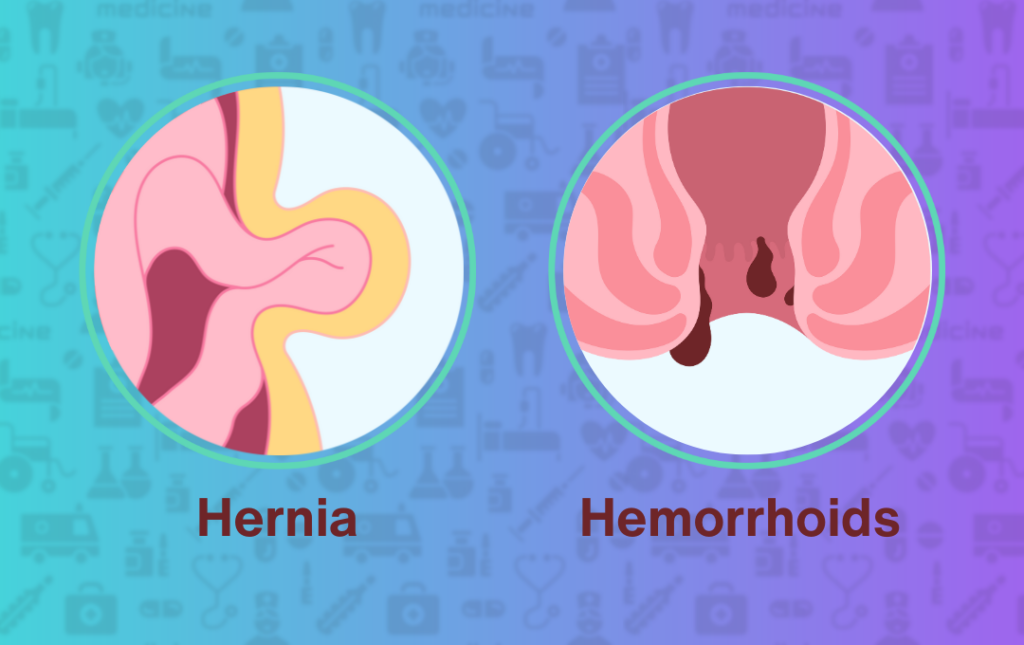
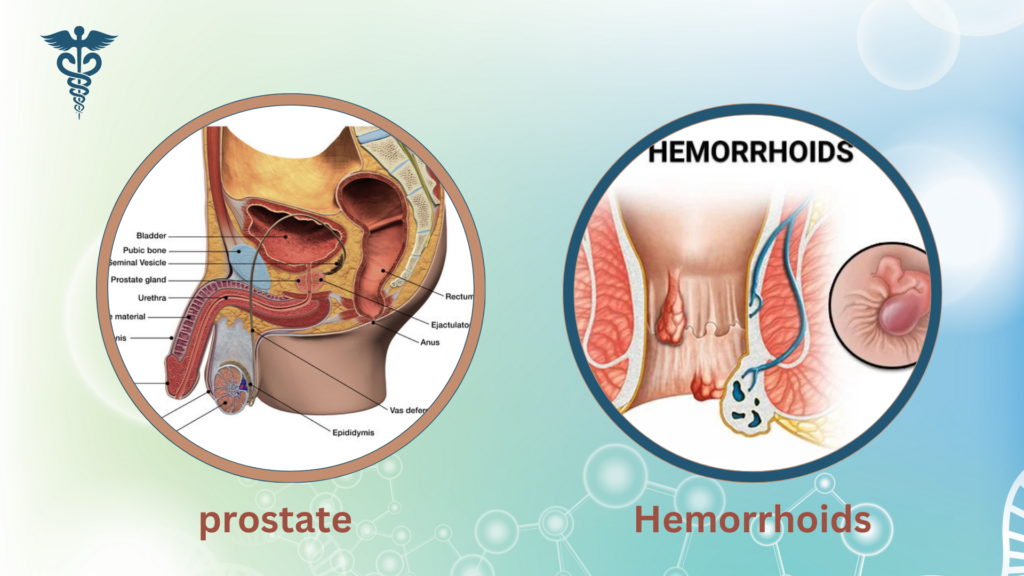
Dermoplast is a topical anesthetic spray commonly used to relieve pain and itching associated with minor skin irritations, burns, cuts, and postpartum discomfort. However, its application to hemorrhoids may not be the most effective or recommended option. Hemorrhoids are swollen veins in the rectal area, and while Dermoplast may provide temporary relief from itching and pain, it’s essential to use it cautiously and sparingly due to the sensitivity of the affected area.
Alternatives to Dermoplast for Hemorrhoids:
- Witch Hazel: Witch hazel is a natural astringent known for its anti-inflammatory properties. Applying witch hazel directly to hemorrhoids with a cotton pad can help reduce swelling and provide relief from itching and discomfort.
- Sitz Baths: Soaking in a warm sitz bath several times a day can help soothe hemorrhoids and promote healing. Adding Epsom salts or baking soda to the bathwater may enhance its therapeutic effects.
- Over-the-Counter Hemorrhoid Creams: Many over-the-counter creams and ointments containing ingredients like hydrocortisone, lidocaine, or zinc oxide can provide relief from hemorrhoid symptoms. These products can help reduce swelling, itching, and discomfort.
- Dietary Adjustments: Eating a high-fiber diet rich in fruits, vegetables, and whole grains can help soften stools and ease bowel movements, reducing strain on hemorrhoids. Drinking plenty of water is also essential to prevent constipation.
Is Surgery the Only Option for Hemorrhoid Treatment?
Surgery is typically considered a last resort for treating hemorrhoids and is reserved for severe cases that do not respond to conservative treatments. Most hemorrhoids can be effectively managed with lifestyle modifications, home remedies, and over-the-counter medications. However, if conservative measures fail to provide relief or complications arise, surgical options such as hemorrhoidectomy or rubber band ligation may be recommended.
FAQs:
It’s essential to follow your healthcare provider’s recommendations regarding wound care after hemorrhoid surgery. They may prescribe specific medications or ointments to aid in healing and provide relief from discomfort.
The healing time for hemorrhoids can vary depending on the severity of the condition and the chosen treatment method. With proper care and treatment, most hemorrhoids improve within a few days to a week. However, chronic or severe cases may take longer to heal.
Yes, adopting healthy habits such as eating a high-fiber diet, staying hydrated, exercising regularly, and avoiding prolonged sitting or straining during bowel movements can help prevent hemorrhoids.
In conclusion, while Dermoplast may offer temporary relief from hemorrhoid symptoms, it’s essential to explore other effective relief options and home remedies for long-term management. By making lifestyle changes and using gentle, soothing treatments, you can find relief from hemorrhoid discomfort and promote healing without the need for surgery. Remember to consult with a healthcare professional for personalized advice and treatment recommendations based on your specific needs.