Say goodbye to the discomfort of hemorrhoid’s with this comprehensive guide on how essential oils can help shrink and alleviate the symptoms of this common condition. From understanding the benefits of essential oils to practical tips on application, this article offers valuable insights and practical guidance for general readers seeking natural remedies for haemorrhoids.
Table of Contents
ToggleUnderstanding Hemorrhoids and Their Symptoms
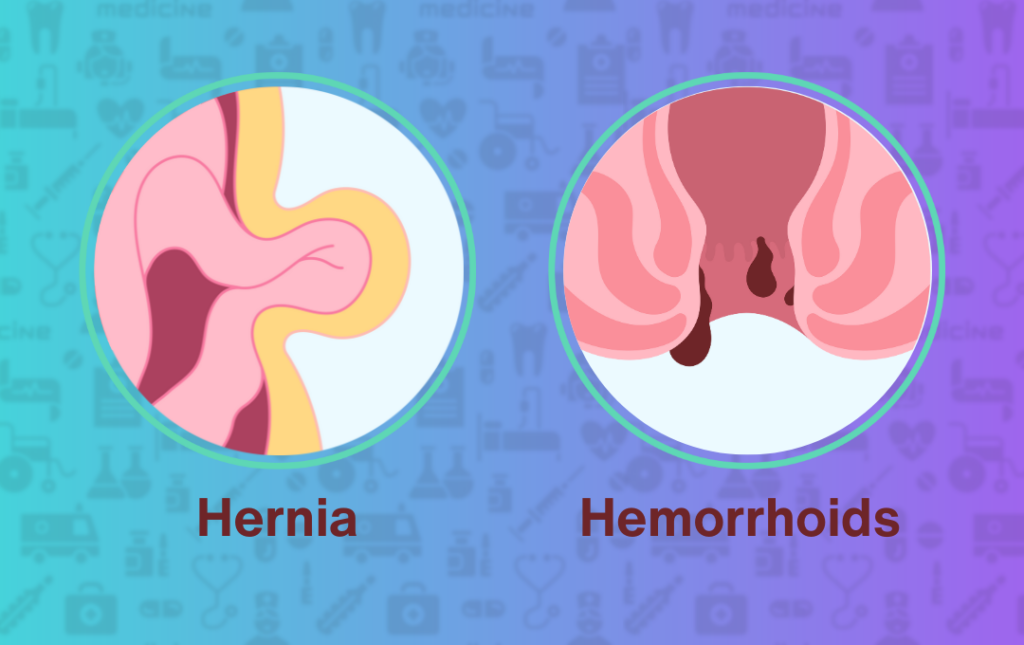
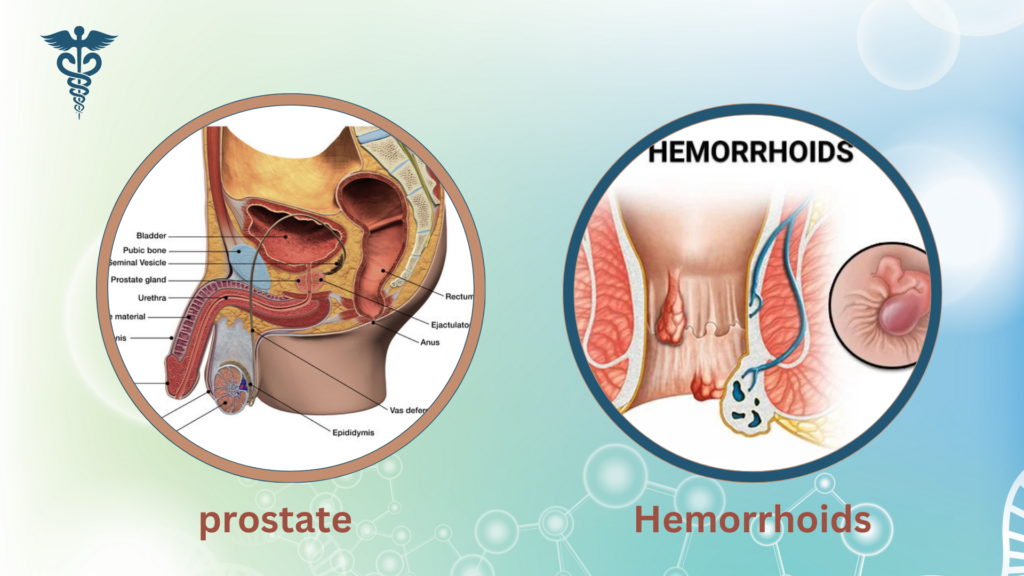
Hemorrhoid’s, also known as piles, are swollen veins in the lower rectum and anus. They can be internal, located inside the rectum, or external, forming under the skin around the anus. Common causes of hemorrhoid’s include straining during bowel movements, sitting for long periods, and a low-fiber diet.
Common symptoms of hemorrhoids'
The symptoms of hemorrhoid’s can vary depending on the type and severity, but they often include:
- Itching or irritation in the anal region
- Pain or discomfort
- Swelling around the anus
- Bleeding during bowel movements
- A lump near the anus
The discomfort and impact on daily life
Haemorrhoids can cause significant discomfort and impact daily life. The itching, pain, and bleeding can make it difficult to sit, walk, or even sleep comfortably. Additionally, the psychological impact of dealing with this condition can be quite distressing for many individuals.
The Benefits of Using Essential Oils for Hemorrhoids
Natural properties of essential oils
Essential oils are highly concentrated plant extracts that have been used for centuries for their various therapeutic properties. Many essential oils possess anti-inflammatory, analgesic, and astringent properties, making them a popular choice for natural remedies, including the treatment of haemorrhoids.
How essential oils can help shrink hemorrhoid's
The anti-inflammatory properties of essential oils can help reduce swelling and discomfort associated with hemorrhoid’s. Additionally, their astringent properties can help shrink the swollen blood vessels, providing relief from symptoms.
Additional benefits of using essential oils to shrink hemorrhoids
Apart from shrinking hemorrhoid’s, essential oils can also help alleviate itching, reduce pain, and promote overall healing of the affected area.
Top Essential Oils for Shrinking Hemorrhoids
Tea tree oil
Tea tree oil is well-known for its anti-inflammatory and antimicrobial properties. When applied topically, it can help reduce swelling and prevent infection, making it an excellent choice for treating haemorrhoids.
Cypress oil
Cypress oil is valued for its astringent properties, which can help constrict blood vessels and reduce swelling. It is often used to alleviate the discomfort associated with hemorrhoids.
Lavender oil
Lavender oil is celebrated for its calming and soothing effects. When used for hemorrhoids, it can help relieve pain and promote relaxation, which is beneficial for individuals experiencing discomfort.
Peppermint oil
Peppermint oil has a cooling effect and can help alleviate itching and discomfort associated with hemorrhoid’s. It also has analgesic properties that can provide relief from pain.
How to choose the right essential oil
When selecting an essential oil for hemorrhoid treatment, it’s essential to consider the individual’s skin sensitivity and personal preferences. It’s recommended to perform a patch test before using any essential oil to ensure there are no adverse reactions.
Benefits of Castor Oil for Hemorrhoid Relief
Castor oil offers several benefits for hemorrhoid relief. Its anti-inflammatory properties help reduce swelling, while its moisturizing effects soothe irritation and prevent dryness. The oil softens stools, easing bowel movements and reducing strain. Castor oil also promotes healing by regenerating damaged skin and has mild antibacterial properties, helping prevent infections. For best results, apply castor oil topically to the affected area or consult a healthcare provider before internal use.
How to Use Castor Oil for Hemorrhoids:
- For external hemorrhoids, apply a small amount of castor oil to the affected area using a cotton ball or clean cloth.
- For internal hemorrhoids, a suppository made of castor oil may be helpful (consult a healthcare provider before using it internally).
- For best results, this can be done two to three times daily until relief is experienced.
Practical Tips for Using Essential Oils to Alleviate Hemorrhoid Symptoms
Dilution and application methods
Essential oils are highly concentrated and should be diluted with a carrier oil, such as coconut oil, before applying to the affected area. A typical dilution ratio is 2-3 drops of essential oil per tablespoon of carrier oil. The diluted mixture can be applied using a clean cotton ball or soft cloth.
Safety precautions and potential side effects
While essential oils can offer relief, it’s essential to use them with caution. Some individuals may be sensitive or allergic to certain essential oils. It’s crucial to discontinue use if any adverse reactions occur and consult a healthcare professional.
Incorporating essential oils into a daily routine
To maximiser the benefits of essential oils for hemorrhoid’s, it’s advisable to apply the diluted mixture to the affected area after a warm bath or shower. This can help soothe the area and promote absorption of the oils.
Lifestyle Changes to Complement Essential Oil Treatment
Dietary adjustments for hemorrhoid relief
A high-fibre diet and adequate water intake can help prevent constipation and promote regular bowel movements, reducing strain on the rectal area. Including fruits, vegetables, whole grains, and legumes in the diet can be beneficial for individuals with haemorrhoids.
Hygiene practices to support healing
Maintaining good hygiene, especially after bowel movements, is crucial for individuals with hemorrhoid’s. Using gentle, unscented wipes or a bidet can help keep the anal area clean and prevent irritation.
The importance of staying hydrated and active
Staying hydrated and engaging in regular physical activity can help maintain bowel regularity and reduce the risk of constipation, which can exacerbate hemorrhoid symptoms.
Seeking Professional Advice and When to Consult a Doctor
When to seek medical attention for hemorrhoid's
While essential oils can offer relief for hemorrhoid symptoms, individuals experiencing severe pain, persistent bleeding or protruding hemorrhoid’s should seek medical attention promptly.
Consulting a healthcare professional before using essential oils
It’s advisable to consult a healthcare professional before using essential oils, especially for individuals with underlying health conditions, allergies, or pregnant and breastfeeding women.
The importance of a comprehensive approach to hemorrhoid treatment
Incorporating essential oils into a holistic approach to hemorrhoid treatment, including dietary and lifestyle adjustments, can offer individuals a well-rounded strategy for managing and alleviating symptoms.
In conclusion, essential oils can be a valuable natural remedy for shrinking haemorrhoids and alleviating associated symptoms. When used in conjunction with lifestyle adjustments and under the guidance of a healthcare professional, essential oils can offer individuals a holistic approach to managing this common condition.
Answer: Haemorrhoids, or piles, are swollen veins located in the lower rectum and anus. They can be either internal (inside the rectum) or external (under the skin around the anus). Common causes include straining during bowel movements, prolonged sitting, and a low-fiber diet, which can lead to discomfort, itching, pain, and sometimes bleeding.
Answer: Essential oils have natural anti-inflammatory, analgesic, and astringent properties, making them effective for reducing haemorrhoid symptoms. These properties help shrink swollen blood vessels, alleviate itching, reduce pain, and promote healing. Oils like tea tree, lavender, cypress, and peppermint are popular choices for natural relief.
Answer:
- Tea Tree Oil: Known for its anti-inflammatory and antimicrobial properties, it can reduce swelling and prevent infection.
- Cypress Oil: Its astringent effects help shrink blood vessels and reduce discomfort.
- Lavender Oil: Soothing and calming, it helps relieve pain and promote relaxation.
- Peppermint Oil: Has a cooling effect that alleviates itching and provides pain relief.
Answer: Essential oils should be diluted with a carrier oil (such as coconut oil) before application to avoid irritation. A common ratio is 2-3 drops of essential oil per tablespoon of carrier oil. Apply the mixture to the affected area using a clean cotton ball or soft cloth, preferably after a warm bath or shower for better absorption.
Answer: Yes, it’s crucial to patch-test the essential oil mixture first to check for allergic reactions. Avoid using essential oils if there’s a negative reaction, and discontinue use if irritation occurs. Consulting a healthcare provider is recommended, especially for those with sensitive skin, allergies, or if pregnant or breastfeeding.