Introduction:
Are you experiencing kidney stones and wondering, “Can kidney stones cause hemorrhoids?” It’s a question worth exploring, as both kidney stones and hemorrhoids can cause significant discomfort. In this blog post, we’ll delve into the potential connection between kidney stones and hemorrhoids and discuss management strategies to alleviate symptoms and promote healing.
Table of Contents
ToggleUnderstanding Kidney Stones and Hemorrhoids:
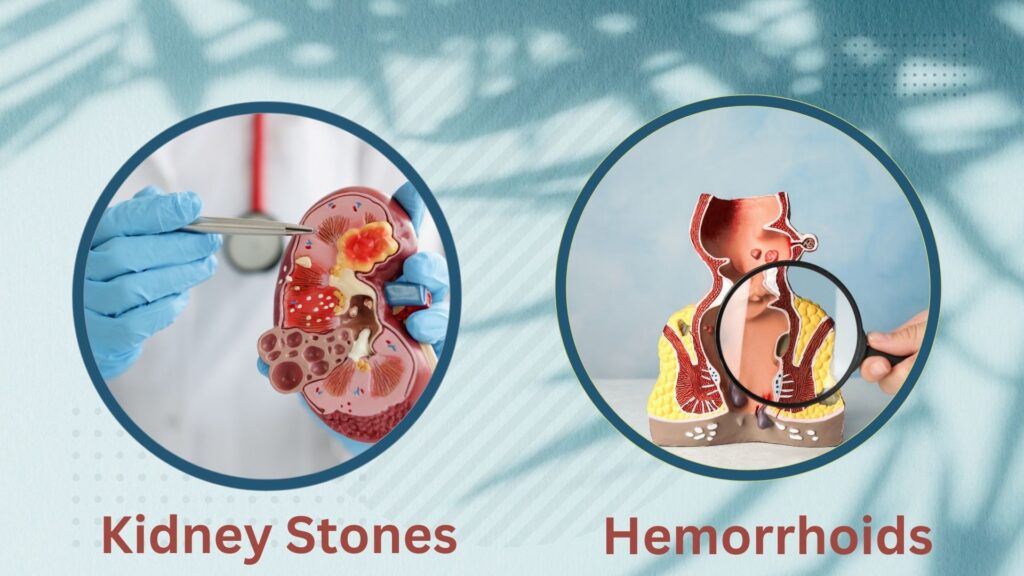
Kidney stones are hard deposits of minerals and salts that form in the kidneys and can cause intense pain as they pass through the urinary tract. On the other hand, hemorrhoids are swollen veins in the rectal or anal area that can cause discomfort, pain, and bleeding. While kidney stones and hemorrhoids affect different parts of the body, they can both lead to significant discomfort and impact quality of life.
Can Kidney Stones Cause Hemorrhoids?
While kidney stones and hemorrhoids are distinct medical conditions, there is no direct causal relationship between them. However, the symptoms associated with kidney stones, such as severe abdominal or flank pain and changes in bowel habits, can sometimes lead to the development or exacerbation of hemorrhoids. For example, straining during bowel movements due to kidney stone pain can put pressure on the rectal veins, leading to hemorrhoid formation or worsening of existing hemorrhoids.
Symptoms of Hemorrhoids Caused by Kidney Stones:
If kidney stones contribute to the development or exacerbation of hemorrhoids, you may experience symptoms such as:
– Rectal bleeding
– Itching or irritation in the anal area
– Swelling or lumps near the anus
– Pain or discomfort during bowel movements
Treatment Options for Kidney Stones and Hemorrhoids:
The treatment approach for kidney stones and hemorrhoids may vary depending on the severity of symptoms and individual factors. Treatment options for kidney stones may include pain management, hydration, medication to help pass the stones, or procedures such as lithotripsy or surgery. For hemorrhoids, treatment options may include lifestyle modifications, dietary changes, over-the-counter medications, or procedures such as rubber band ligation or hemorrhoidectomy.
Prevention Tips for Kidney Stones and Hemorrhoids:
To reduce the risk of kidney stones and hemorrhoids, consider the following prevention tips:
– Stay hydrated by drinking plenty of water throughout the day.
– Maintain a healthy diet rich in fruits, vegetables, and whole grains to promote regular bowel movements and prevent constipation.
– Avoid straining during bowel movements by maintaining a high-fiber diet and staying physically active.
– Practice good hygiene, and avoid prolonged sitting or standing to reduce pressure on the rectal area.
FAQs About Kidney Stones and Hemorrhoids:
While kidney stones themselves do not typically cause rectal bleeding, the pain and discomfort associated with passing kidney stones can sometimes lead to straining during bowel movements, which may result in rectal bleeding from hemorrhoids.
The time it takes to pass kidney stones varies depending on factors such as the size and location of the stones and individual factors. In general, smaller kidney stones may pass within a few days to a few weeks, while larger stones may require medical intervention for removal
Hemorrhoids themselves are not typically a sign of kidney problems. However, certain conditions that affect kidney function, such as chronic kidney disease, may increase the risk of developing hemorrhoids due to factors such as fluid imbalances and constipation.
In conclusion, while kidney stones and hemorrhoids are distinct medical conditions, the symptoms associated with kidney stones can sometimes contribute to the development or worsening of hemorrhoids. By understanding the potential link between kidney stones and hemorrhoids and implementing appropriate management strategies, you can effectively alleviate symptoms and improve your overall well-being. If you experience persistent or severe symptoms, consult with a healthcare professional for personalized advice and treatment recommendations.