Introduction:
It’s a question worth exploring “Can probiotics cause hemorrhoids?”, considering the increasing popularity of probiotics for digestive health. In this blog post, we’ll delve into this topic and provide insights into probiotics, hemorrhoids, treatment options, surgery, costs, and FAQs related to hemorrhoid management.
Table of Contents
ToggleCan Probiotics Cause Hemorrhoids?
The relationship between probiotics and hemorrhoids is a topic of interest. Some individuals may wonder whether the use of probiotics, which promote gut health, can lead to the development or exacerbation of hemorrhoids. Let’s explore this further.
Can Probiotics Cure Hemorrhoids or Help in Hemorrhoid Management?
Probiotics are beneficial bacteria that can aid in digestion and promote gut health. While probiotics may not directly cure hemorrhoids, they can contribute to overall digestive health, potentially reducing the risk of constipation and promoting regular bowel movements. However, more research is needed to determine the specific role of probiotics in hemorrhoid management.
Understanding Probiotics:
Probiotics are live microorganisms that provide health benefits when consumed in adequate amounts. They are commonly found in fermented foods like yogurt, kefir, and sauerkraut, as well as in dietary supplements. Probiotics help maintain a healthy balance of gut bacteria, which is essential for proper digestion and overall well-being.
What Are Hemorrhoids?
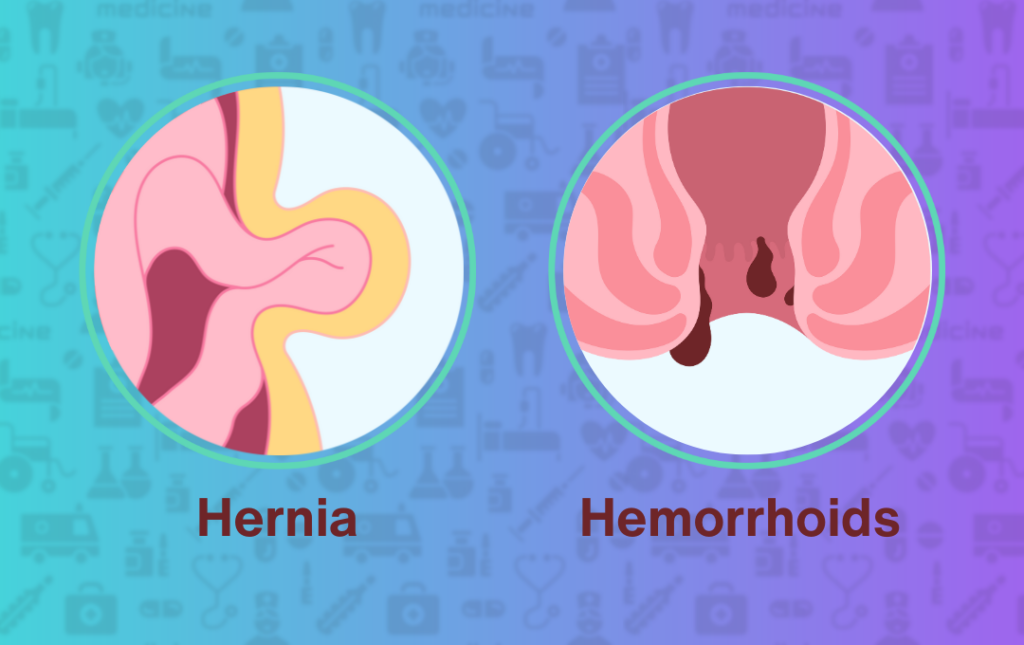
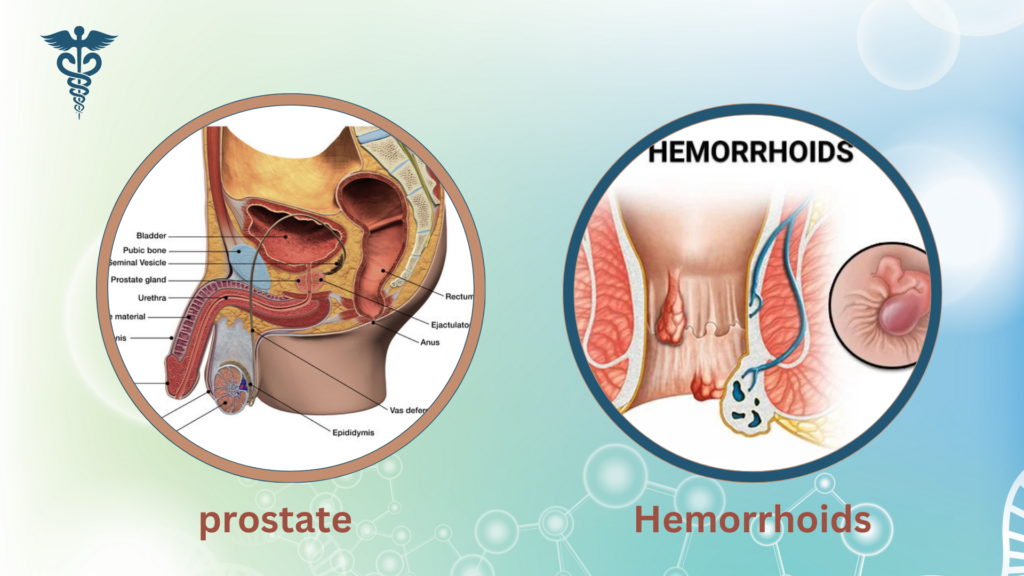
Hemorrhoids are swollen and inflamed veins in the rectum or anus that can cause discomfort, pain, and bleeding. They are often the result of increased pressure in the pelvic or rectal area, such as straining during bowel movements, chronic constipation, or pregnancy.
Hemorrhoid Treatment Options:
Treatment for hemorrhoids depends on the severity of the condition. Mild cases can often be managed with dietary adjustments, increased fiber intake, topical treatments, and lifestyle changes. In more severe cases, medical interventions such as minimally invasive procedures or surgery may be necessary.
Hemorrhoid Surgery: When Is It Necessary?
Surgery for hemorrhoids is typically reserved for severe cases that do not respond to conservative treatments. Surgical options include hemorrhoidectomy, rubber band ligation, and sclerotherapy. Your healthcare provider will determine the most appropriate treatment approach based on your specific condition.
Understanding Surgery Costs:
The cost of hemorrhoid surgery can vary depending on factors such as the type of procedure, the healthcare provider, and your location. It’s essential to consult with your healthcare provider and insurance provider to understand the potential costs associated with hemorrhoid surgery.
Other Related FAQs:
Certain foods, such as spicy foods, caffeine, and alcohol, can irritate the digestive system and potentially exacerbate hemorrhoid symptoms. It’s essential to maintain a balanced diet rich in fiber and hydration to promote digestive health.
Yes, adopting healthy habits such as eating a high-fiber diet, staying hydrated, exercising regularly, and avoiding prolonged sitting or straining during bowel movements can help prevent hemorrhoids
The recovery time from hemorrhoid surgery can vary depending on the type of procedure and individual factors. In general, most individuals can expect to resume normal activities within a few days to a week after surgery, with full recovery typically taking a few weeks.
In conclusion, while probiotics may not directly cause hemorrhoids, they can play a role in promoting overall digestive health. Understanding the relationship between probiotics and hemorrhoids, along with exploring treatment options and surgery, can help individuals effectively manage this common condition. Remember to consult with a healthcare professional for personalized advice and treatment recommendations based on your specific needs.