You are having complexity and pain while pooping and pretty much sure that is the reason you’re searching this question “how do I know if I have hemorrhoids or cancer.”
Haemorrhoids and cancer are two different conditions that can affect the rectum and anus. Both conditions can cause similar symptoms, making it difficult to differentiate between them. Hemorrhoids are swollen veins in the rectum or anus that can cause pain, itching, and bleeding. On the other hand, cancer is the abnormal growth of cells in the body that can spread to other parts of the body if left untreated.
It is important to know the difference between hemorrhoids and cancer because the treatment options for each condition are different. Hemorrhoids can often be treated with over-the-counter medications, lifestyle changes, and in severe cases, surgery. Cancer, on the other hand, requires more aggressive treatment such as chemotherapy, radiation therapy, or surgery. Therefore, it is crucial to seek medical attention if you experience any symptoms that could be related to either condition.
Understanding Hemorrhoids
Symptoms of Hemorrhoids
Hemorrhoids are swollen veins in the rectum and anus that can cause discomfort and pain. Common symptoms of hemorrhoids include itching, pain, and bleeding during bowel movements. In some cases, hemorrhoids can also cause a lump or swelling around the anus.
Causes of Hemorrhoids
Hemorrhoids can be caused by a variety of factors, including straining during bowel movements, sitting for long periods of time, and chronic constipation or diarrhoea. Pregnancy and obesity can also increase the risk of developing hemorrhoids.
Types of Hemorrhoids
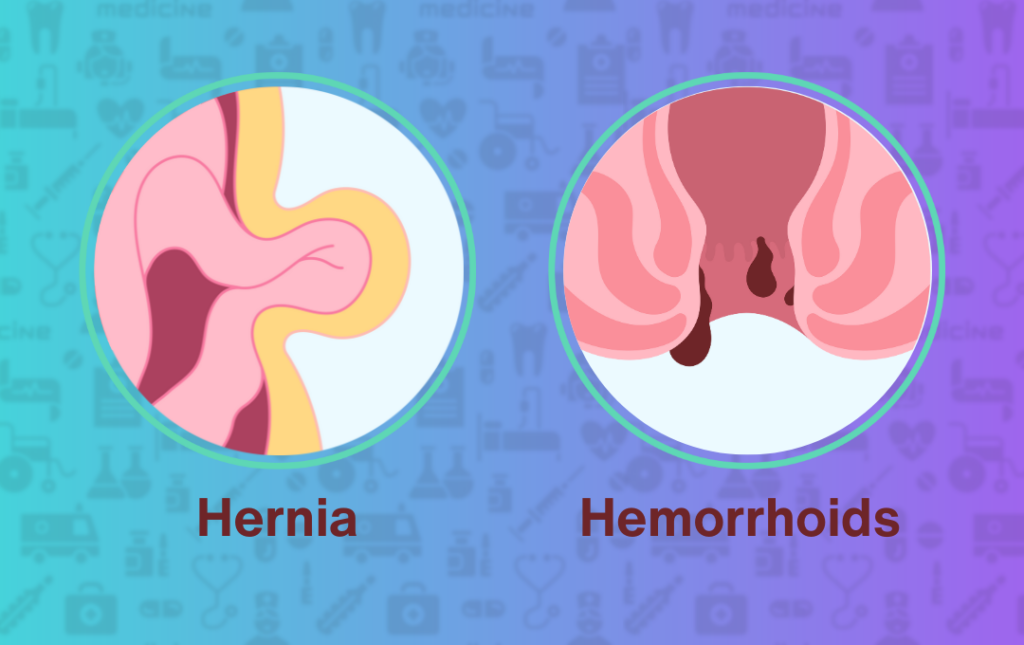
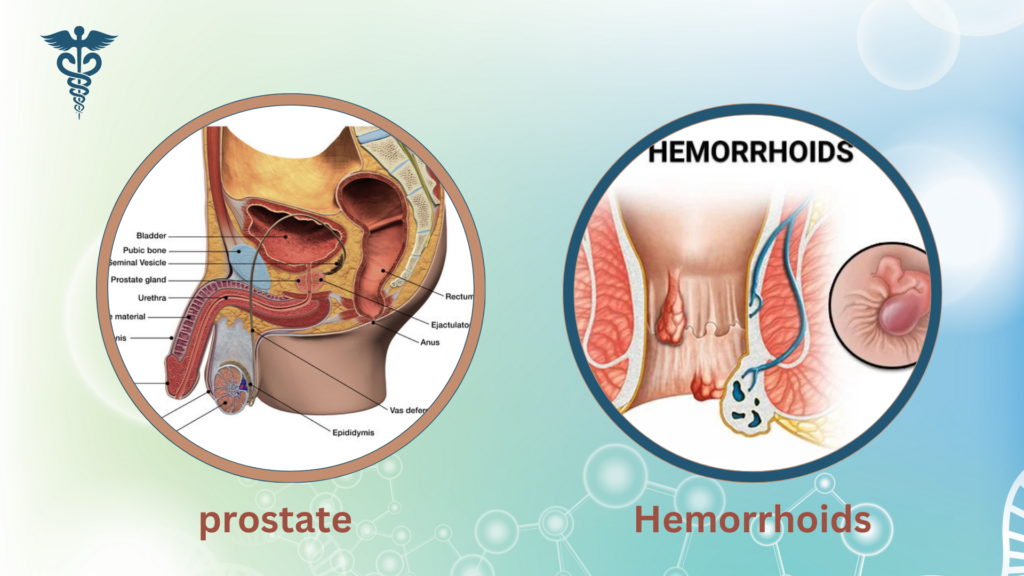
There are two main types of haemorrhoids: internal and external. Internal haemorrhoids are located inside the rectum and can cause bleeding and discomfort. External haemorrhoids are located outside the anus and can cause pain and swelling.
It is important to note that while haemorrhoids can cause discomfort and pain, they are not usually a serious medical condition. However, if you experience persistent bleeding or pain, it is important to seek medical attention to rule out more serious conditions such as colorectal cancer.
How Do I Know if I Have Hemorrhoids or Cancer – Recognizing Cancer
Signs of Cancer
The signs of cancer in the anorectal area may include rectal bleeding, changes in bowel habits, abdominal pain, and unexplained weight loss. If any of these symptoms persist for more than a few days, it is important to seek medical attention.
Cancer Risk Factors
Several factors may increase the risk of developing cancer in the anorectal area. These include a family history of cancer, a personal history of cancer, age, smoking, and a diet high in processed foods and low in fiber.
Types of Cancer Related to the Anorectal Area
There are several types of cancer that can affect the anorectal area, including anal cancer, rectal cancer, and colon cancer. Anal cancer is a rare cancer that occurs in the anal canal, while rectal cancer and colon cancer are more common and occur in the rectum and colon, respectively.
It is important to note that while hemorrhoids and cancer can share similar symptoms, they are two different conditions. If you suspect you may have hemorrhoids or cancer, it is important to speak with a healthcare professional for an accurate diagnosis and appropriate treatment.
Is it Hemorrhoids or Cancer- Diagnostic Methods

Physical Examination
A physical examination is the first step in diagnosing hemorrhoids or cancer. The doctor will perform a visual examination of the anus and rectum. They may also perform a digital rectal exam where they insert a gloved finger into the rectum to feel for any abnormalities. This exam can be uncomfortable but is usually not painful.
Laboratory Tests
Laboratory tests may be ordered to help diagnose hemorrhoids or cancer. A stool sample may be taken to check for the presence of blood. Blood tests may also be ordered to check for anemia, which can be a sign of colon cancer.
Imaging Techniques
Imaging techniques may be used to help diagnose hemorrhoids or cancer. A colonoscopy is a common imaging technique used to examine the colon and rectum. During a colonoscopy, a flexible tube with a camera on the end is inserted into the rectum and guided through the colon. This allows the doctor to examine the inside of the colon for any abnormalities. Other imaging techniques such as a CT scan or MRI may also be ordered to help diagnose hemorrhoids or cancer.
It is important to note that these diagnostic methods are not always definitive and further testing may be required. It is recommended to speak with a healthcare professional if you experience any symptoms or concerns. If you got the answer, how do you know if you have hemorrhoids or cancer, let’s jump into the next stage.
Treatment Options

Hemorrhoid Treatments
There are several treatment options available for hemorrhoids, depending on the severity of the condition. Mild cases can often be treated with over-the-counter creams and ointments that contain hydrocortisone or witch hazel. These products can help to reduce itching and swelling, and can be applied directly to the affected area.
For more severe cases, a doctor may recommend a procedure such as rubber band ligation, in which a small rubber band is placed around the base of the hemorrhoid to cut off its blood supply. This causes the hemorrhoid to shrink and eventually fall off.
Other treatment options for hemorrhoids may include infrared coagulation, sclerotherapy, or surgery. It is important to discuss all treatment options with a healthcare provider to determine the best course of action for each individual case.
Cancer Treatments
Treatment options for cancer will vary depending on the type and stage of the cancer. In some cases, surgery may be recommended to remove the cancerous tissue. Chemotherapy and radiation therapy may also be used to kill cancer cells and prevent them from spreading.
Immunotherapy is another option for cancer treatment, which works by helping the body’s immune system to identify and attack cancer cells. Targeted therapy is another type of treatment that uses drugs to target specific proteins or genes that are involved in the growth and spread of cancer cells.
It is important to discuss all treatment options with a healthcare provider and to work closely with a medical team to determine the best course of action for each individual case. Treatment plans may also include supportive care to manage symptoms and improve quality of life.
When to See a Doctor
If you suspect that you have hemorrhoids or cancer, it is important to seek medical attention promptly. Here are some triggers that should prompt you to consult a doctor:
Consultation Triggers
- Rectal bleeding: If you notice blood in your stool or on the toilet paper after wiping, it could be a sign of hemorrhoids or cancer. Consult a doctor if you experience rectal bleeding, especially if it is accompanied by other symptoms such as pain, itching, or discomfort.
- Changes in bowel habits: If you experience changes in your bowel movements, such as diarrhea, constipation, or a feeling of incomplete evacuation, it could be a sign of hemorrhoids or cancer. Consult a doctor if you experience persistent changes in your bowel habits.
- Pain or discomfort: If you experience pain or discomfort in the anal area, it could be a sign of hemorrhoids or cancer. Consult a doctor if you experience persistent pain or discomfort, especially if it is accompanied by other symptoms such as bleeding or changes in bowel habits.
Expectations During a Medical Visit
During a medical visit for hemorrhoids or cancer, the doctor will typically perform a physical examination of the rectum and anus. They may also order additional tests, such as a colonoscopy or biopsy, to confirm the diagnosis.
It is important to be honest with your doctor about your symptoms and medical history. This will help them make an accurate diagnosis and develop an appropriate treatment plan.
In summary, if you experience rectal bleeding, changes in bowel habits, or pain or discomfort in the anal area, it is important to consult a doctor promptly. During a medical visit, the doctor will perform a physical examination and may order additional tests to confirm the diagnosis
Prevention and Management
Lifestyle Changes
Making lifestyle changes can help prevent and manage hemorrhoids and reduce the risk of developing colorectal cancer. Some effective lifestyle changes include:
- Eating a diet high in fiber: This can help prevent constipation and reduce the strain on the rectal area, reducing the risk of hemorrhoids and colorectal cancer.
- Drinking plenty of water: Staying hydrated can help prevent constipation and reduce the risk of hemorrhoids and colorectal cancer.
- Regular exercise: Exercise can help keep the digestive system healthy and reduce the risk of hemorrhoids and colorectal cancer.
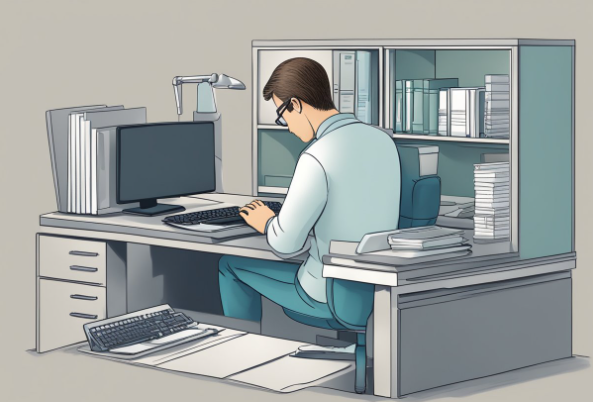
- Avoiding sitting for long periods: Sitting for extended periods can increase pressure on the rectal area and lead to hemorrhoids.
Regular Screenings
Regular screenings are important for early detection and treatment of colorectal cancer. The American Cancer Society recommends that people at average risk of colorectal cancer begin regular screenings at age 45. People at higher risk, such as those with a family history of colorectal cancer, may need to begin screenings earlier and have them more frequently.
Screening options include colonoscopy, stool tests, and sigmoidoscopy. Talk to a healthcare provider to determine the best screening option for you.
By making lifestyle changes and getting regular screenings, individuals can help prevent and manage hemorrhoids and reduce the risk of developing colorectal cancer.